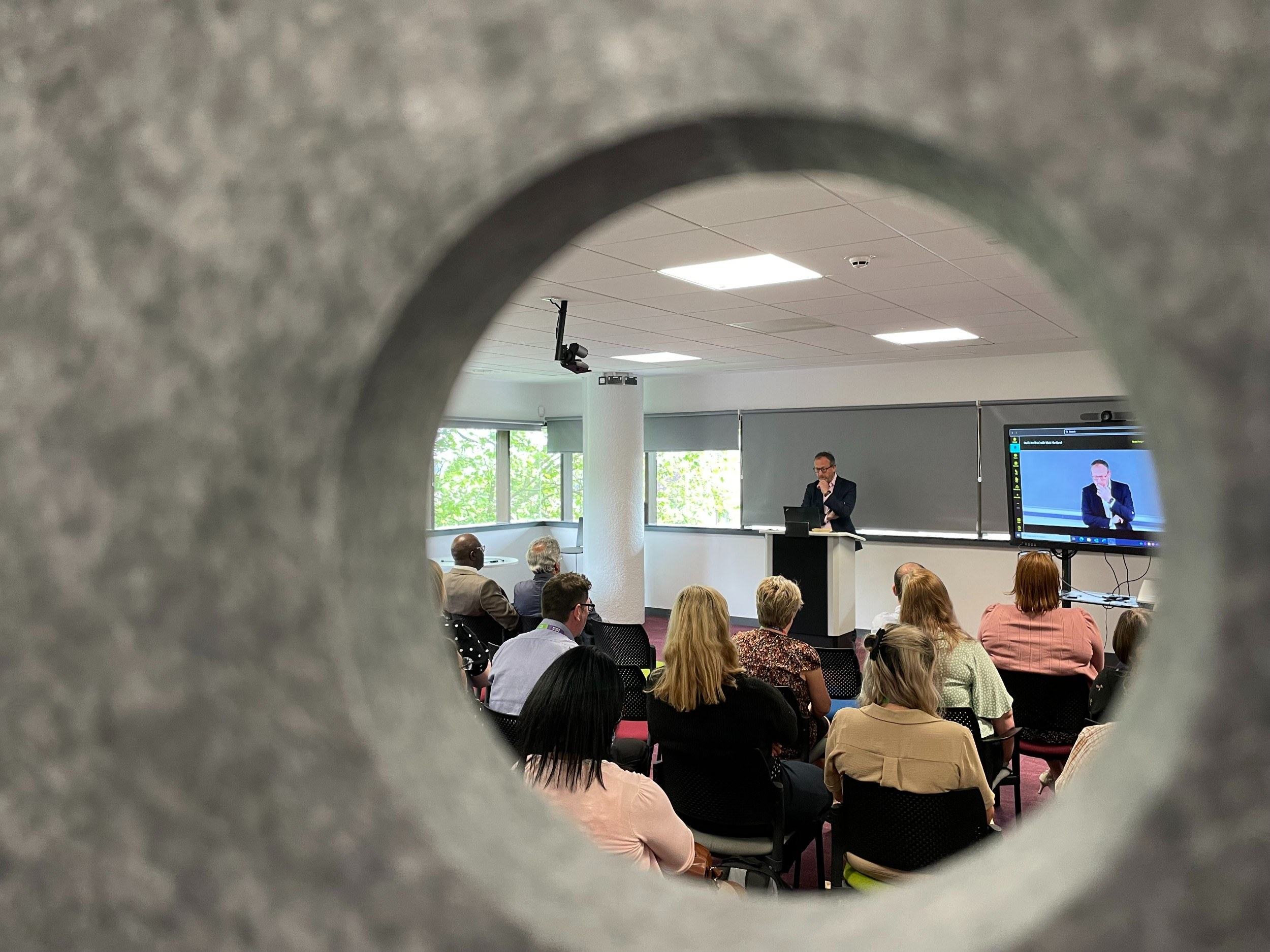
The non-executive members of the new NHS Birmingham and Solihull and NHS Black Country Cluster clustered integrated care board have today been announced.
As part of the move to reduce running costs and shift to the delivery of a strategic commissioning function, a shared group of non-executive directors has been appointed alongside a number of system partners to a new shared integrated care board. This both reduces duplication and strengthens the skills on the board as the clustered organisation moves to a new operating model.
The new non-executive members are:
Phil Jones
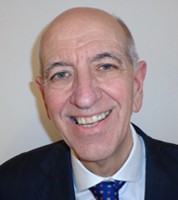
Phil has worked as an adviser and external auditor for NHS organisations for over 30 years. Originally a qualified chartered accountant, he ran the Audit Commission’s West Midlands regional office and was a director at a top six accounting firm.
Phil was previously the Non-Executive Director for Audit in NHS Birmingham and Solihull where he worked to ensure that the Birmingham and Solihull ICS’ financial and operational governance was effective.
Paul Taylor
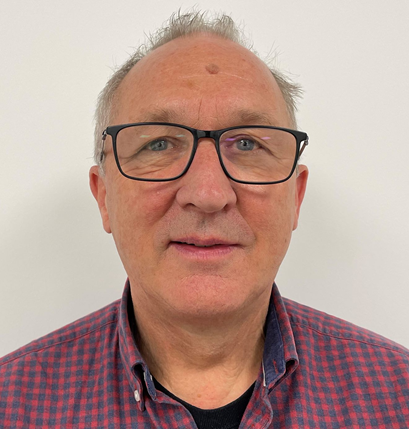
Paul is a retired NHS finance director. In his last role, Paul worked for 20 years as a management consultant to the NHS after 11 years working substantively in the NHS at director level. He is a very experienced public sector finance professional who has held senior positions in a number of different organisations, both in primary and secondary care and the intermediate and national tiers. He offers a breadth of skills in financial, planning, organisational and general management.
Born and raised in Birmingham and Solihull, Paul is committed to helping the Cluster ICB improve the health of people in Birmingham, Black Country and Solihull. He is also a Trustee of Showerbox, a charity which provides showers to those facing homeless and is part of their operational team in Birmingham.
Prior to his appointment, Paul served as Non-Executive Director for Finance and Performance in NHS Birmingham and Solihull.
Pamela Bradbury
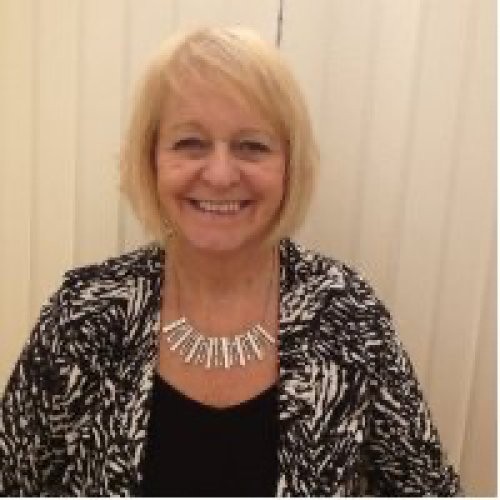
Pamela also served four years as Nursing Officer with the Department of Health advising on policies relating to improving access and services in Primary Care.
Since retirement, Pam has championed the voice of people, spending five years as Chair of Healthwatch Dudley, Committee Member of Healthwatch England and People Champion at the NHS Leadership Academy and as Non-Executive Director at Walsall Healthcare NHS Trust where she Chaired the Quality & Patient Safety Committee and was Lead for Maternity Safety and Freedom to Speak.
Pamela’s most recent appointment was as Non-Executive Member & Deputy Chair at NHS Coventry and Warwickshire Integrated Care Board and she will continue to work with Coventry and Warwickshire until the end of 2025/2026, ensuring a comprehensive handover at the end of the year.
Harry Hayer
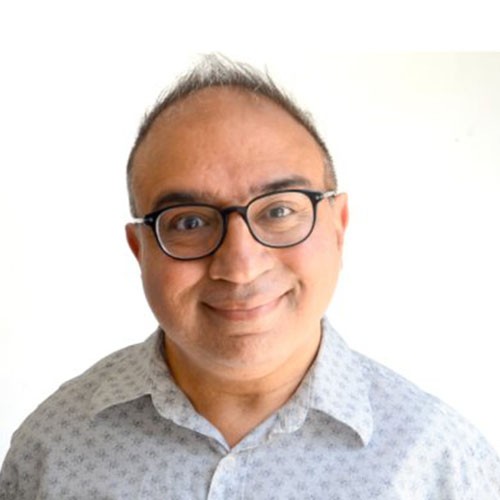
Harry Hayer is Senior Independent Director and a Non-Executive Member of the NHS Birmingham, Black Country and Solihull Cluster Integrated Care Board.
Harry is an experienced executive and non-executive director, with over 30 years on the Boards of organisations in the NHS and charity sector. He has specialist experience in large scale change and transformation.
He is currently Change Director at Walk Wheel Cycle Trust (formerly known as Sustrans), Vice Chair of Brunelcare, a Trustee of Trees for Cities and a Regional Advisory Board Member of Canal and River Trust.
Harry was recently a Non-Executive Member and Senior Independent Director of the NHS Coventry and Warwickshire Integrated Care Board.
Kevin Davis DL

For nearly 30 years Kevin Davis has been a social entrepreneur and civic leader working across social finance, education, employment, health and faith-based community regeneration. He is Chief Executive of the Vine Trust Group, which includes the Ladder Apprenticeship Foundation and the Mercian Multi Academy Trust, a family of 12 schools which he co-founded and chairs, educating more than 10,000 students in the Black Country.
He previously served as a non-executive director for the West Midland’s School of Social Entrepreneurs, and the Black Country Local Enterprise Partnership, where he led the “Economy of Together” policy framework bringing together business, public services and civil society.
He is lately a Non-Executive Member of the NHS Coventry and Warwickshire Integrated Care Board, where he led on health inequalities, also Chairing their Coventry Care Collaborative.
In addition to being a Deputy Lieutenant of the West Midlands, Kevin holds a number of non-executive and trustee roles which reflect his social interests, including Black Country Housing Group, and The Oversight Trust, which oversees organisations investing social finance derived from the Dormant Assets scheme.
Chair of NHS Birmingham and Solihull and NHS Black Country, Professor Danielle Oum said:
“I’d like to thank our outgoing non-executives in both the Black Country and Birmingham and Solihull. The Boards in both systems have overseen a period of strong recovery following the pandemic and ensured that a number of significant milestones were achieved. That we are able to move on plans for our cluster is in no small part thanks to the work of outgoing colleagues and the foundations they laid that we can build on.
“We are clear that the new integrated care board cluster is a reset of what we do. We now need to focus on building our strategic commissioning role and delivering the Government’s ambitions for the neighbourhood health service. That’s why I’m delighted to be able to welcome a new group of non-executive members with the expertise we need for our new operating model.
“As we continue to work at pace to establish new ways of working, we will remain focused on the most important issue of all – improving care and access for patients and our communities.”
The move to cluster the two organisations follows a requirement set out by NHS England in April this year for ICBs to reduce running costs significantly, including through the delivery of functions at greater scale and to move toward delivery of a strategic commissioning function aligned to the shifts set out in the Government’s 10-year Health Plan.
Clustering enables both organisations to work together across borders, develop a range of shared support functions and to have a shared leadership team. It does not constitute a formal merger and both ICBs will remain separate legal entities. Formal merger may come at a later date.