Over 200 women’s voices were heard, while receiving inclusive health education at HMP Foston Hall.
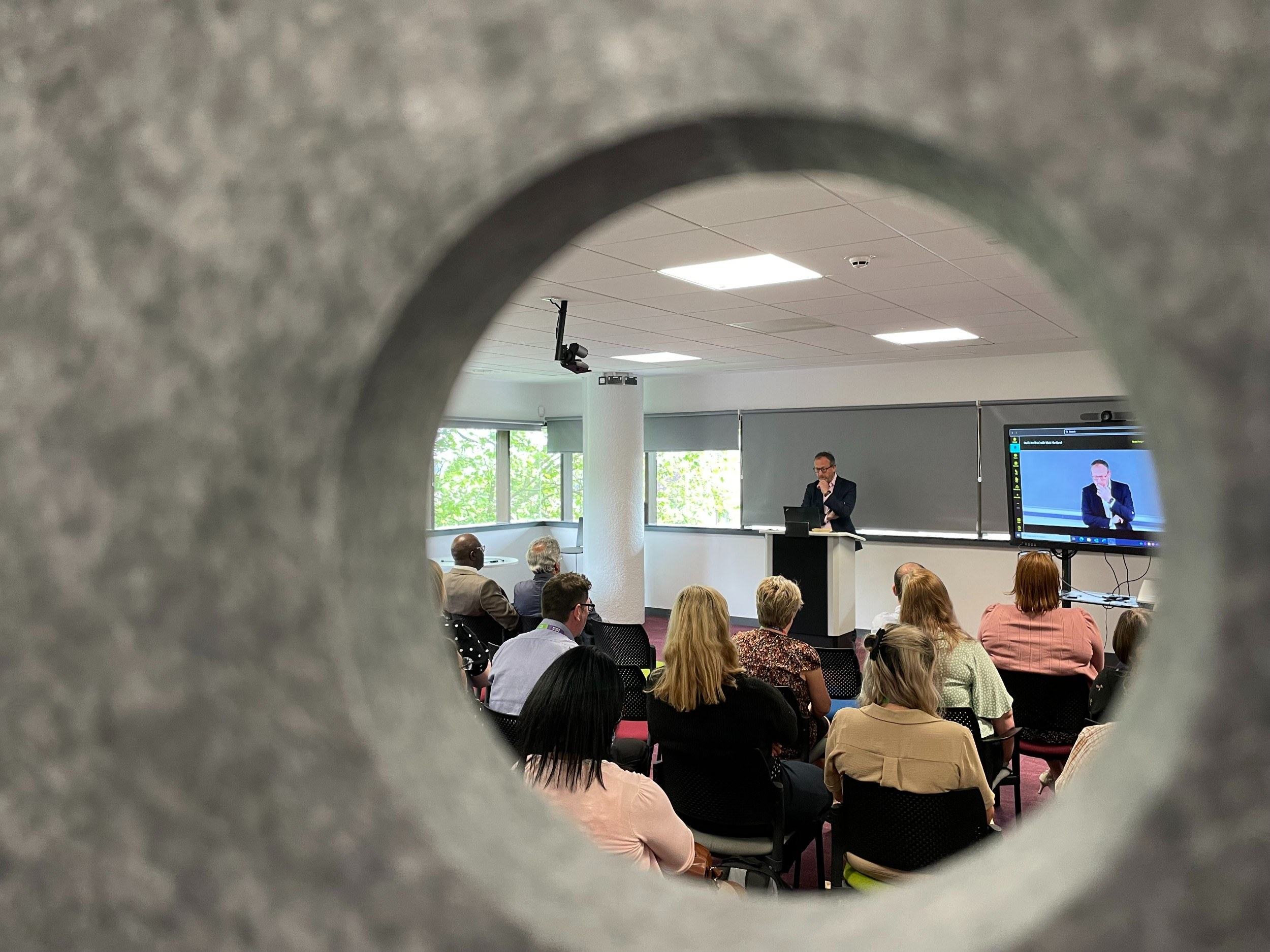
Black Country Integrated Care Board (ICB), alongside Changing Lives, the Menopause School and NOWT (Navigating Our Womanhood Together), delivered practical and inclusive health education to more than 200 women at HMP & YOI Foston Hall. NOWT strongly believe in the importance of going to people and communities on their terms, along with maximising opportunities through deep listening, advocating and gentle education when it comes to women’s health. Changing Lives, a trusted community organisation, and NOWT member, made it possible to attend a health event, hearing the voice of a seldom heard community. The prison, which holds around 300 adult women and young offenders, supports many individuals with complex needs, including trauma, mental health challenges and substance misuse.
During a health event, over 200 women engaged with the team, including a practical breast awareness demonstration using representative black skin-tone models. Awareness was raised around checking your breasts, recognising changes and knowing when to seek help. In depth discussions covered cervical screening and HPV, where staff supported women with low literacy to ensure their experiences and views were heard. Awareness was found to be low despite many women having previously attended 'smear tests'.
Over 20 women stayed for in-depth discussions with a menopause specialist seeking clarity about diagnosis, perimenopause, and treatment. The sessions helped address misunderstandings and provided accurate, empowering information. .
While women reported that they can request app health appointments within the prison and are generally seen promptly, conversations highlighted wider challenges, including limited emotional support after abnormal results, gaps in specialist care for serious illness, and anxieties about continuity of care on release, particularly around GP registration, prescriptions, mental health support and transport to probation appointments.
Following the visit, partners have shared insights to inform future resources and identified key improvements, including structured health education on HPV and screening, better emotional support, improved specialist access, and stronger integrated health and resettlement planning.
Early cancer diagnosis saves lives, and events like this help break down barriers, reduce stigma and reach women who may not otherwise engage with healthcare.
The visit demonstrated strong demand for clear, inclusive health information and reinforced the importance of addressing health inequalities both in custody and during transition back into the community. It also highlighted a need to increase health equity, involving all people and communities in a way that works for them, to understand what is needed to create more equitable health care.