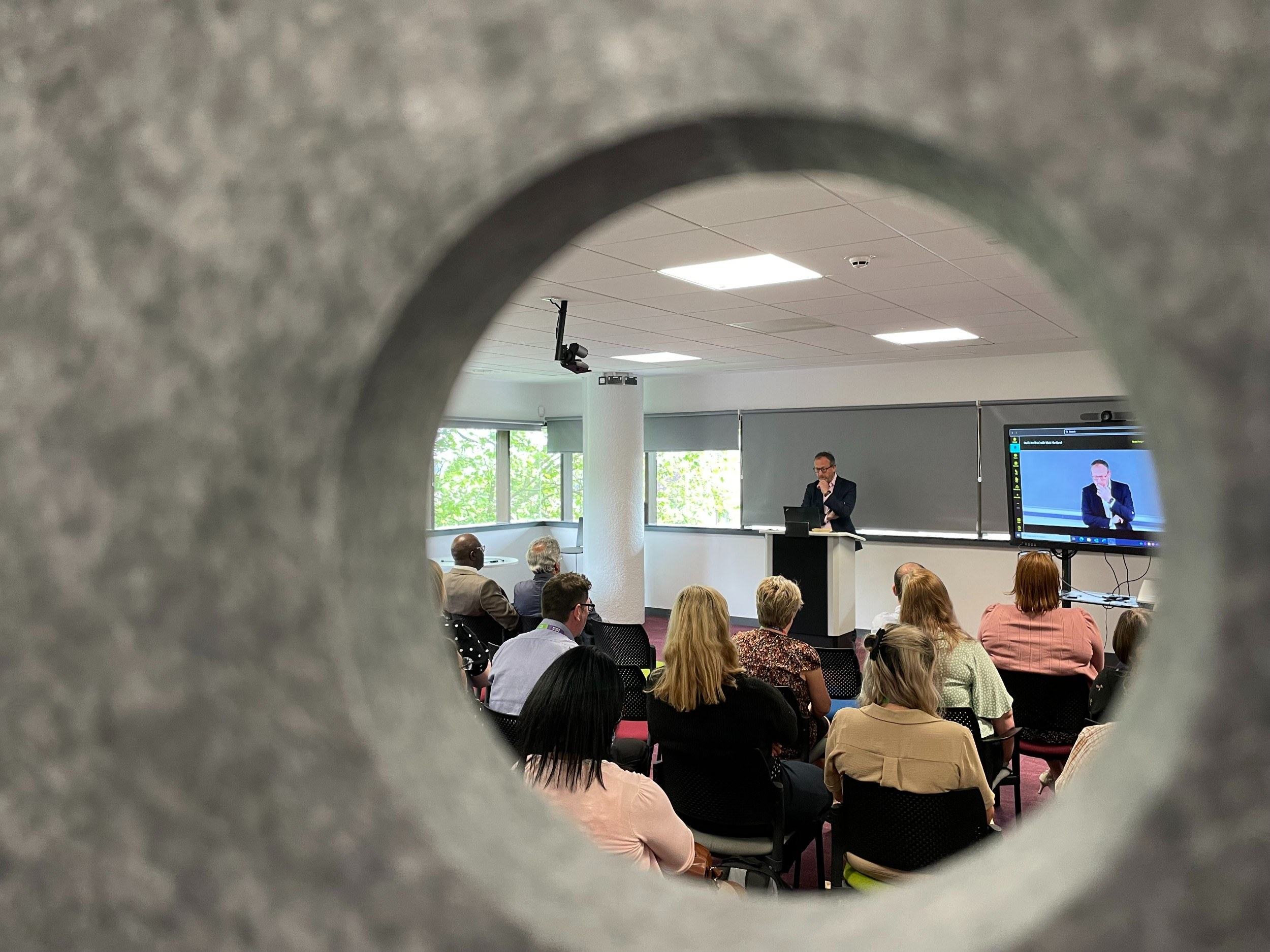
Latest stories
-
 26 June 2026
National funding has enabled 63 GP practices and four hospital Trusts in Birmingham, the Black Country and Solihull to upgrade their buildings – creating a total of 95 new clinical spaces that will support an additional 380,000 appointments every year.
-
 25 June 2026
Thousands more people across the West Midlands could benefit from earlier health checks and support to prevent serious illness as the region joins a new national programme focused on helping people stay healthier for longer. The West Midlands has been chosen as one of only five areas in England to become a Prevention Accelerator Site, bringing together the NHS, councils, community organisations and employers to help people identify health risks earlier and get support before problems become more serious. Many conditions such as high blood pressure, heart disease and diabetes can develop without obvious symptoms. Left untreated, they can lead to life-changing illnesses including heart attacks, strokes and kidney disease. The new programme will focus on helping more people access NHS Health Checks, understand their risk and get support to make positive changes to their health. Richard Parker, Mayor of the West Midlands, said: “Good health is fundamental to a good quality of life, yet across the West Midlands, too many people are living with preventable illnesses and nearly 160,000 people are out of work because of a health condition. “In piloting the Prevention Accelerator, we’re working with government, the NHS and local partners to identify risks earlier, prevent illness where we can, and help people stay healthier for longer. “This is about improving lives, reducing health inequalities, and creating healthier communities. That also means more people able to work, helping to strengthen our economy and reduce pressure on our public services.” David Melbourne, Chief Executive of the NHS Birmingham, Black Country and Solihull Integrated Care Board (ICB) cluster, said: "Many people feel completely well but are living with high blood pressure or other risk factors they don't know about. "A simple health check can identify problems early and give people the chance to make changes or receive treatment before serious illness develops. "We want people across the West Midlands to take up the opportunities available through NHS Health Checks and local prevention programmes. Knowing your numbers really can save your life." Simon Trickett, Chief Executive of NHS Coventry and Warwickshire ICB, said: “Helping people understand their health and identify potential risks earlier is key to ensuring they stay well for longer. “Initiatives such as NHS Health Checks play a vital role in this, and we want as many people as possible across the West Midlands to take up the opportunity to have one. “By improving access to these checks and other prevention support, this programme offers us an excellent opportunity to help people live healthier lives by encouraging them to take action sooner and get care when they need it.” Health leaders estimate that thousands of people across the region may be living with undiagnosed conditions that increase their risk of heart attack, stroke and other serious health problems. Over the coming months, NHS organisations, councils and community partners will work together to make it easier for residents to access advice, checks and support in places that are convenient and familiar to them, including neighbourhood settings, workplaces and community venues. Mike Wade, Regional Director of Public Health for NHS England in the West Midlands, said: "Prevention is about helping people live longer, healthier and more independent lives. "We want to make it as easy as possible for people to understand their health risks and access support in their local communities." People aged 40 to 74 who do not have a pre-existing health condition are invited for a free NHS Health Check every five years. Anyone who receives an invitation is encouraged to take up the offer. If you think you may be eligible for an NHS Health Check, please contact your GP practice. For more information about NHS Health Checks visit www.nhs.uk/healthcheck
-
 22 June 2026
With temperatures expected to rise over the next few days, people in Birmingham, the Black Country and Solihull are being advised to take precautions. The Met Office, in partnership with the UK Health Security Agency (UKHSA), has issued a red heat alert, indicating that high temperatures could pose a risk to health, particularly for older adults, young children, babies, and those with long-term health conditions.
-
 22 June 2026
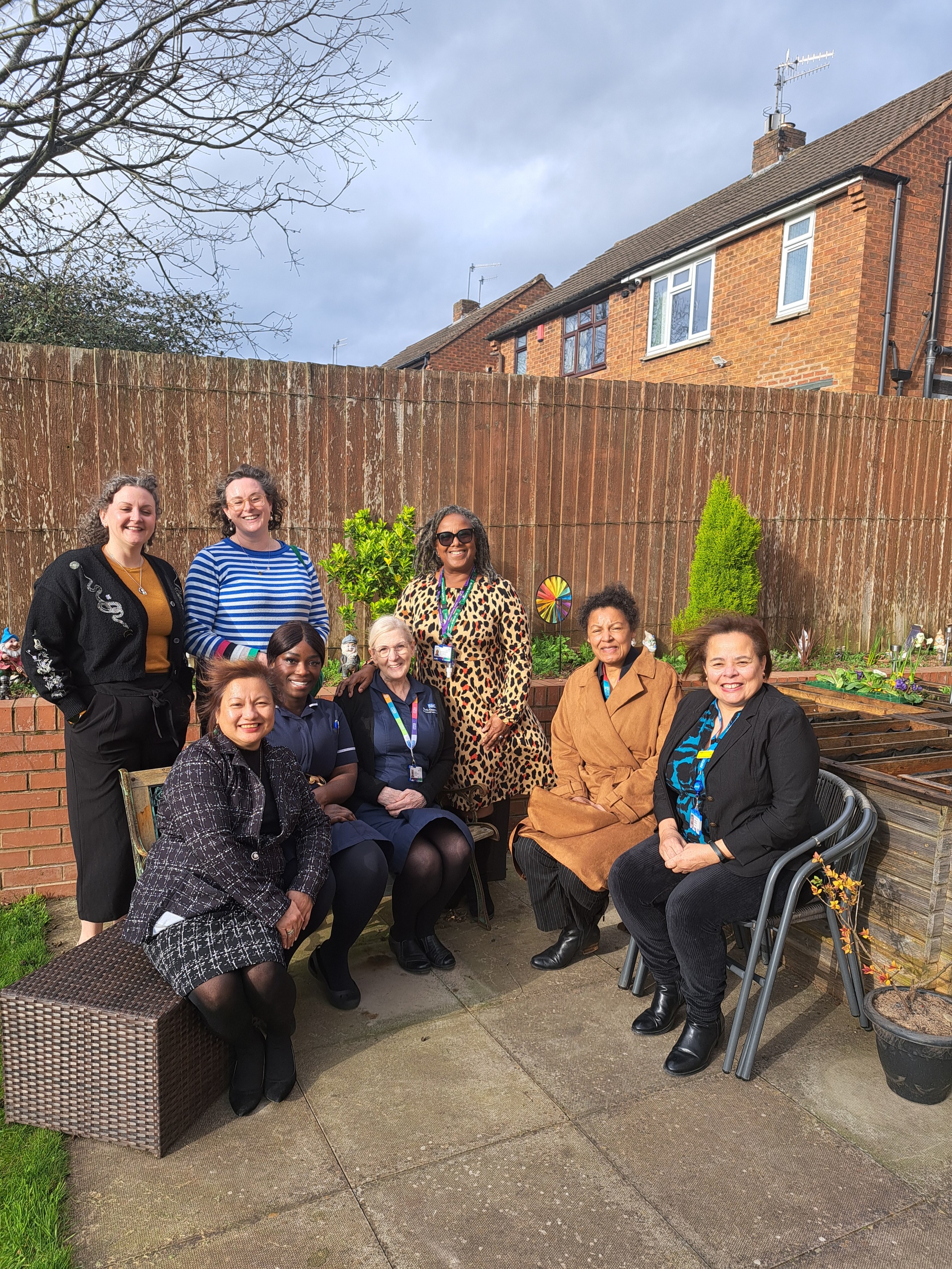
Local NHS teams have taken further steps to support greener, more sustainable healthcare, bringing together clinical leaders and showcasing practical action across services in the region.